A cracked or warped cylinder head can destroy motor performance in minutes. This guide shows you how to identify component issues by exploring five tell-tale symptoms, the underlying causes and prevention, effective diagnostic techniques, welding repair options and hands-on training pathways for your car. Understanding these issues is vital for any vehicle owner, impacting everything from the motor block to overall fuel efficiency.
You’ll learn to spot overheating, white smoke from the exhaust system, milky oil, loss and motor knocking, understand why components fail, confirm faults with simple tests, see how welding restores component integrity and discover welding courses in The Midlands. Proper maintenance of your motor, including the valve and valve guide, is key to preventing these problems and managing general wear and tear.
What Are the Most Common Signs of Problems?
Component problems manifest through performance and fluid anomalies when the component or component seal fails, allowing coolant or combustion gases to escape the combustion chamber, which jeopardises motor reliability and efficiency. Recognising these signs early protects your motor and directs you towards the right diagnostic steps for your car, whether it’s a petrol or diesel motor.
Before we dive deeper, here are the five most frequent symptoms of a failing component:
- Motor overheating
- White smoke from the exhaust system
- Milky oil on the dipstick
- Unexplained loss from the reservoir
- Motor misfires and power loss, potentially leading to transmission issues
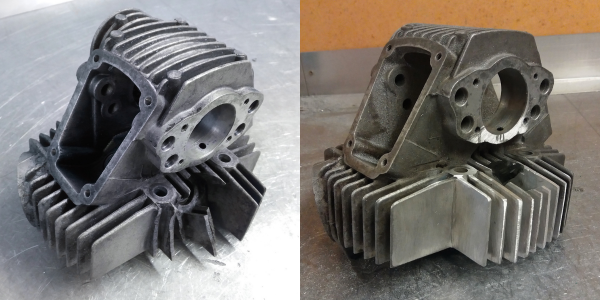
Spotting these indicators promptly reduces repair costs and guides your next actions, from pressure testing to professional welding for your vehicle’s motor, mitigating further wear.
How Does Motor Overheating Indicate Damage?
Excessive stress on the cast or alloy component, causing warping or fine cracks that compromise the seal. Overheating often stems from poor circulation and leads directly into component distortion, so monitoring temperature gauges helps you catch early failure and move on to cause analysis for the motor, including potential damage to the tappet.
Motor Overheating and Cylinder Head Damage
Overheating can cause significant damage to components, leading to warping and cracking due to thermal expansion. This compromises the seal between the component and the motor block, potentially leading to further motor damage if not addressed promptly. This can also affect the transmission if the motor overheats severely.
What Does White Smoke Mean?
White exhaust vapour signals coolant entering the combustion chamber, typically via a cracked component or failing component seal. This visible symptom confirms a breach between coolant passages and cylinders, linking directly to cooling-system integrity and component sealing.
How to Recognise Milky Oil as a Sign of Component Seal Failure?
A mayonnaise-coloured residue on the dipstick means oil and coolant are mixing inside the crankcase, a clear result of a blown component seal or a cracked component. Checking oil condition during routine services catches this blend before irreversible bearing damage occurs in the motor.
What Are the Effects of Loss on My Engine's Health?
Persistent coolant levels dropping without visible leaks usually indicate an internal leak at the component seal or a hairline crack in the component casting. Continuous coolant loss accelerates overheating and metal fatigue, setting the stage for more severe component failures.
How Do Motor Misfires and Loss of Power Signal Problems?
Inconsistent combustion cycles and reduced cylinder pressure occur when component sealing fails, causing misfires and sluggish acceleration. Performance dips directly reflect compromised compression seals in the component, prompting immediate diagnostic testing for the motor and potentially the transmission.
Recognising these symptoms is the first step; understanding root causes helps you prevent them for your car.
What Causes Cylinder Head Issues and How Can They Be Prevented?
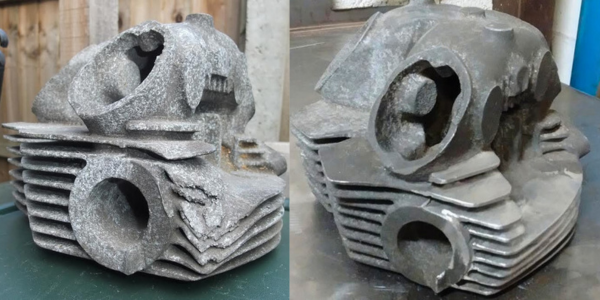
Component failures arise from thermal stress, mechanical fatigue and maintenance lapses that compromise sealing surfaces. Preventative care maintains component geometry, component seal integrity and coolant health for your vehicle’s motor, mitigating the effects of wear and tear.
| Cause | Mechanism | Prevention |
|---|---|---|
| Overheating | Thermal expansion and cracking of the component | Regular cooling-system checks for the motor |
| Poor maintenance | Corrosion and seal degradation of the component seal | Scheduled oil and coolant replacements for the car |
| Design flaws/age | Metal fatigue around ports in the component | Professional assessments and torque-checks on the motor |
| Inadequate torque | Uneven clamping loads on the component | Use calibrated torque tools on component bolts for the motor |
Understanding causes allows targeted prevention that keeps components flat, sealed and damage-free. Once you know what damages components, you can use targeted diagnostics to confirm faults in your vehicle.
What Role Does Poor Maintenance Play In Failure?
Neglecting coolant and oil service accelerates corrosion inside coolant passages and degrades component seal materials. A routine maintenance schedule preserves both coolant quality and sealing surfaces for the motor.
How Can Design Flaws and Age Affect Integrity?
Original casting imperfections or decades of thermal cycles can create stress concentrators around valve seats and ports, leading to metal fatigue in the component. Periodic professional assessments help detect early signs of material breakdown in the motor.
What Preventative Measures Help Avoid Damage?
Maintain proper coolant levels, use quality antifreeze, follow component bolt torque specifications and inspect the component seal on every motor rebuild. Proactive component deck machining restores flatness before new seal installation.
How Can You Diagnose Cylinder Head Problems Effectively?
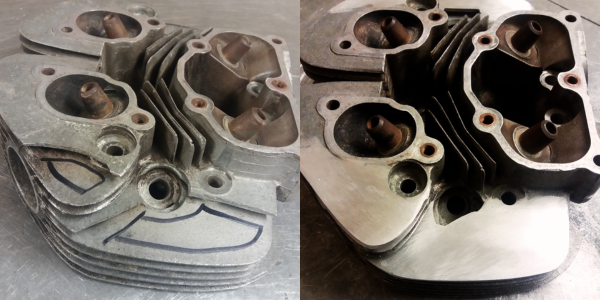
Accurate diagnosis combines visual audit with pressure and compression tests to pinpoint component or component seal failures, minimising guesswork and guiding repair decisions for your car. This process is vital for both petrol and diesel motor diagnostics.
- Visual audit of the motor
- Compression testing of cylinders
- Coolant pressure testing of the cooling system
- Straight edge and feeler gauge warpage check of the component
Combining these methods ensures you confirm component integrity before committing to repair or replacement for your vehicle.
What Visual Examination Techniques Help Spot Issues?
Examine the component exterior and deck for hairline cracks, coolant residue or oil stains around valve cover seams. Cracks often appear near coolant passages or component seal flanges, providing immediate visual confirmation of motor damage.
How Is a Compression Test Used to Detect Faults?
A compression gauge measures each cylinder’s peak pressure. Cylinders with component seal leaks or cracks show significantly lower readings, directly linking pressure loss to sealing failures in the component.
Can DIY Tools Like Straight Edges and Feeler Gauges Help Detect Warping?
Placing a straight edge across the component deck and running a feeler gauge beneath it exposes uneven gaps greater than 0.1 mm. This simple check flags components requiring machining or welding correction for the motor.
With confirmed faults in hand, welding repaircan restore component integrity for your car.
How Can Welding Repair Cracked or Warped Cylinder Heads?
Welding is a viable method for repairing cracks and restoring warped components, particularly in cast and alloy components. Welding can restore the original geometry and sealing surfaces, potentially saving costs compared to complete replacement of the component.
| Welding Method | Application | Benefit | Mechanism | Why Essential |
|---|---|---|---|---|
| Cast TIG | Hairline crack repair on the component | Strong, resistant bond for the motor | Nickel-based filler melts into crack | Restores original component geometry |
| Alloy TIG | Component restoration for the car | Corrosion-resistant bond | Alloy filler rebuilds low areas on the component | Maintains light-weight component specs |
| MIG welding | Bulk material buildup on warped components | Faster metal deposition for the motor | Wire feed welds warped surfaces | Prepares the component for precision skimming |
Proper welding, followed by precision skimming, brings a piston-to-deck height within tolerance and seals coolant passages. For expert component welding services, visit
How Does Welding Restore Warped Cylinder Components?
Welding deposits metal into low zones on the component, which is then machined flat to original specifications. This rebuild-and-skim approach corrects warping without discarding the component casting.
When Is Welding a Better Option Than Cylinder Head Replacement?
Welding is ideal for minor cracks or moderate warping on cast components when material condition is sound, cutting costs by up to 50% compared to new or remanufactured components for your vehicle.
How Do We Provide Expert Cylinder Component Welding Services?
At Qualitig, our certified welders use precision TIG equipment and digital component skimming to restore your classic or performance motor’s component to OEM standards in The Midlands.
How Can Enthusiasts Learn to Identify and Repair Cylinder Component Issues?
Hands-on welding and diagnostics training empowers classic car restorers and motorcycle owners to tackle component repairs confidently, reducing service bills and accelerating projects for their vehicle. This knowledge is crucial for managing general wear and tear on components like the tappet.
- MIG welding for steel and cast component repairs
- TIG welding for alloy motor components
- Motor diagnostics and pressure-testing workshops for your car
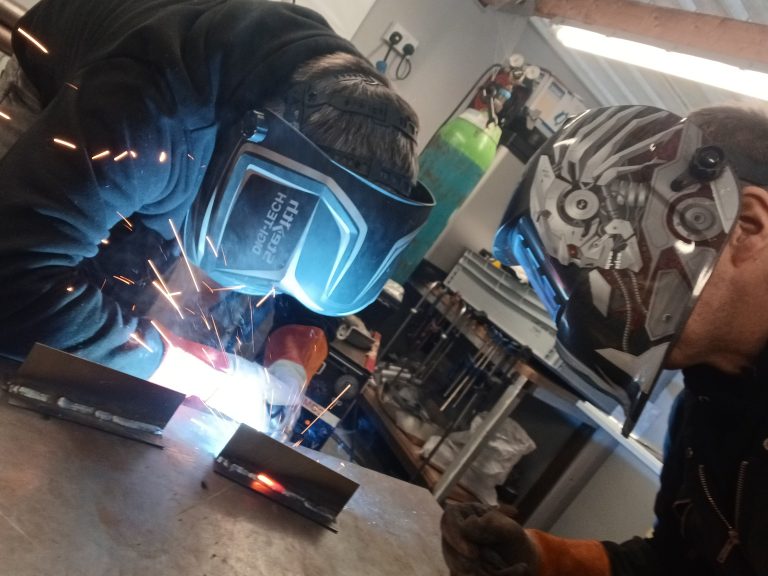
What Welding Training Courses Are Available for Classic Vehicle Parts Repairs?
We offer tailored MIG and TIG courses focusing on repair of components, exhaust manifolds, casing repairs and other motor parts, with complete practical motor teardown sessions so you feel confident to weld your own projects tomorrow without us.
How Does Learning Welding Skills Help Maintain Classic Cars and Motorcycles?
Mastering welding and deck-straightening techniques lets enthusiasts restore component seal integrity, repair cracks and pre-empt component failure during routine overhauls, ensuring reliable performance on the road or track for their vehicle.
Where Can You Access Welding Training in The Midlands, UK?
Our workshop in The Midlands hosts monthly classes, and we partner with local restoration clubs for on-site training.
By mastering identification, diagnosis and welding repair, you’ll protect motor performance and extend the life of your classic vehicle. To discuss component assessments, book welding services or join our next welding workshop, contact Qualitig today.
Conclusion
Identifying and addressing component issues is crucial for maintaining motor performance and longevity. By recognising symptoms like overheating, white smoke from the exhaust system, and milky oil, you can take proactive steps to prevent costly repairs to your car. Our expert welding services and training courses empower you to tackle these challenges effectively.